Why Hiit Works as a Coping Skill
Physical exercise has proven benefits for mood regulation, anxiety reduction and stress relief (Warburton et al., 2006). HIIT delivers these benefits in shorter, more enjoyable bursts. Engaging in 10-12 minutes of alternating intense effort and recovery can boost endorphins, improve resilience to distressing emotions and mimic the effects of antidepressant medication (Dishman, 1997; Little et al., 2010).
Identifying Barriers and Motivations
Please reflect on what makes it hard or easy for you to start and stick with regular HIIT sessions. Consider the thoughts or beliefs that come up when you think about exercising and any practical obstacles such as time constraints, lack of equipment or low energy.
Confidence Rating
On a scale from 1 (not at all) to 10 (extremely), rate How confident am I that I can complete a 10-minute HIIT session this week?
Enjoyment Rating
On a scale from 1 (not at all) to 10 (extremely), rate How enjoyable do I expect a HIIT session to be?
Discomfort Tolerance Rating
On a scale from 1 (not at all) to 10 (extremely), rate How well do I cope with the discomfort of intense effort?
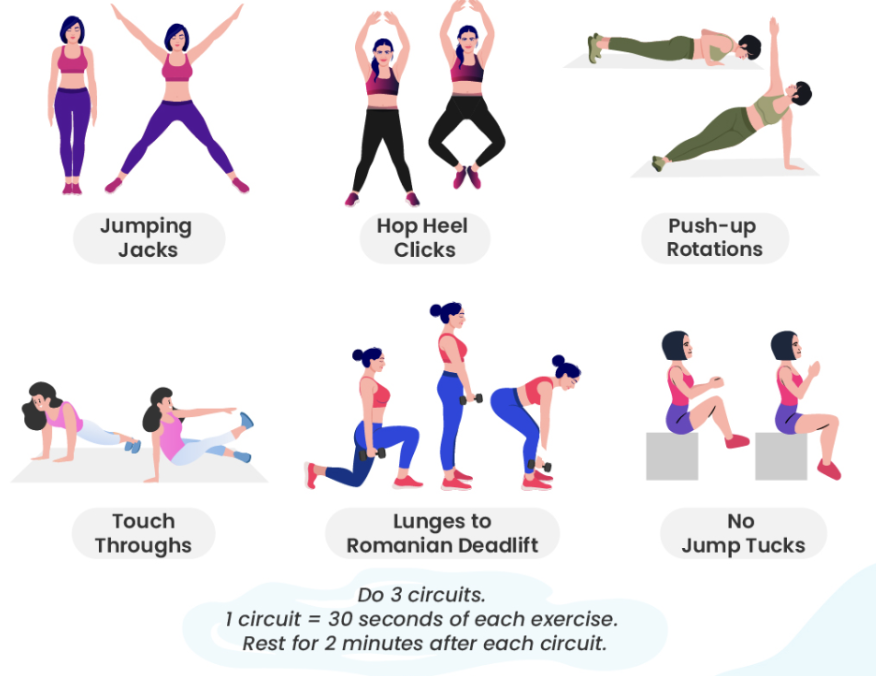
Planning Your First HIIT Session
Decide on a specific day, time and place for your first session this week. Begin by completing one circuit of six exercises. Use the HIIT Exercise Log to record how you feel immediately before and after. After each session, review your log and, when you’re ready, gradually increase the number of circuits, raise the intensity or try new equipment to keep progressing.
Fewer clicks. More care.
One place for your team, your clients, and every clinical workflow, so nothing quietly slips through the cracks.
Free for practices with up to 20 clinicians.