A DBT Distress Tolerance Worksheet for Reducing Harm and Building Healthier Coping W4
A DBT distress tolerance worksheet for reducing harm and building healthier coping
Section 1: Why This Matters and What You’ve Been Through
One of the key goals of dialectical behavior therapy (DBT) is to help you stop using self-destructive behaviors like cutting, burning, scratching, or other forms of self-harm. These behaviors may bring short-term relief, but they often create more pain, including permanent injuries, shame, or regret. Many people use self-harm as a way to cope with overwhelming emotional pain. That pain is real-but there are safer ways to manage it. Think about how much you’ve already survived. If you’ve been hurt by others-physically, emotionally, or verbally-does it help to keep hurting yourself now? Recovery means choosing to stop repeating that pain. You might feel addicted to the relief self-harm brings. That’s because it temporarily floods your body with natural chemicals that numb pain. But it doesn’t last-and you deserve to feel better for real. Even small changes in how you respond to urges can be an important step toward healing. Stopping self-destructive behavior is not easy, but it is possible. Your pain deserves healing, not more pain.
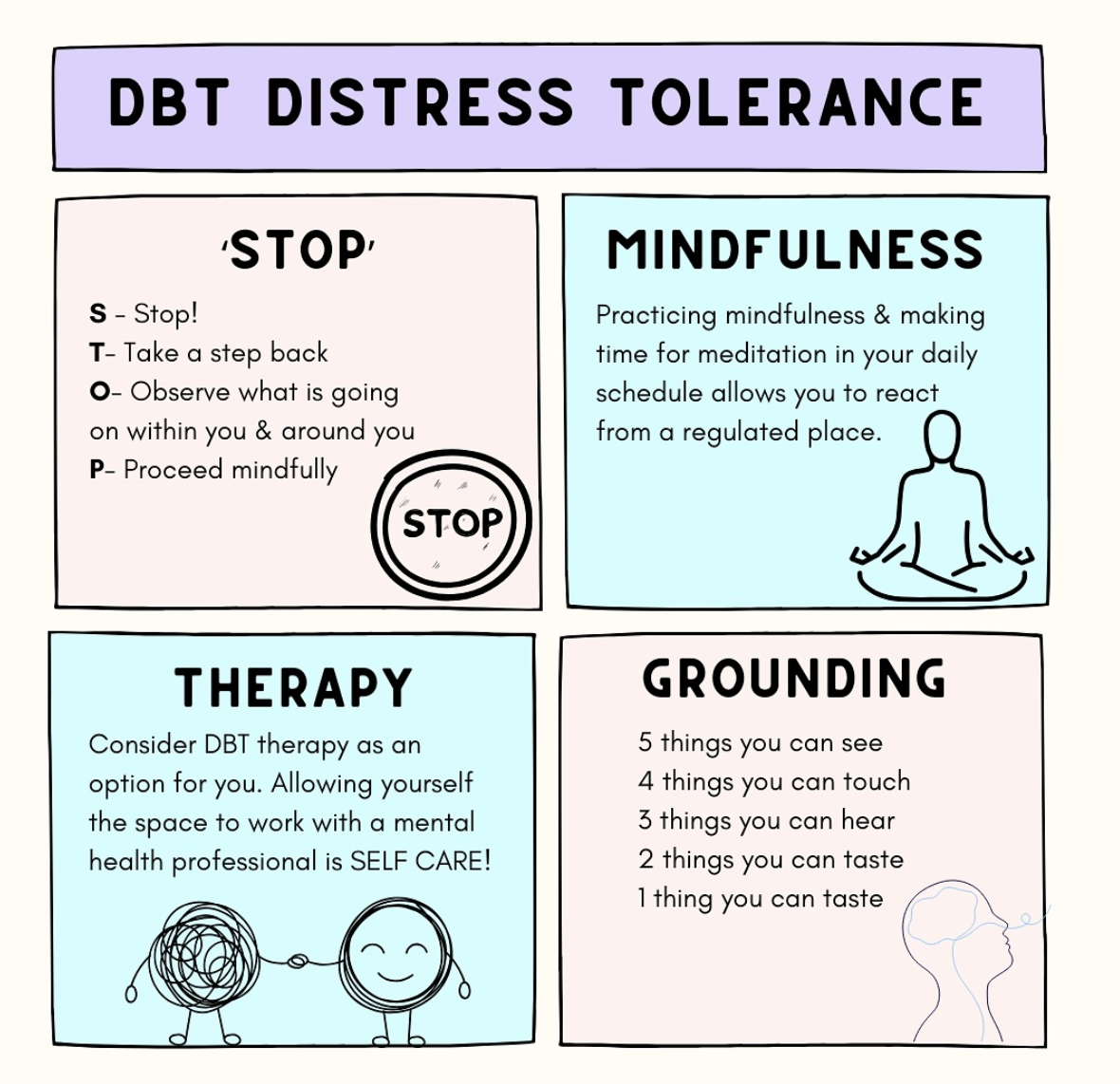
Section 2: Healthy Distractions to Try
Below are examples of alternative coping strategies. Tick the ones you feel open to trying. These should be safe, non-harming ways to distract yourself when emotions feel overwhelming. Tick the ones you’d like to try:
Section 3: Create Your Personal Distraction Plan
When you feel overwhelmed or like hurting yourself, what are three healthy distraction techniques you can try first?
What time of day or emotional state tends to trigger your urges the most?
What can you do to remind yourself of this plan when those urges show up?
Section 5: Real-Life Example
Lucy often used self-harm to deal with sadness or anger. She hid the scars under long sleeves and felt ashamed. After learning new coping skills, she created a plan. The next time she felt the urge to cut, she used red marker and paint to draw on her skin instead. She carried this mark on her arm all day as a reminder of her pain-without causing real harm. Before bed, she washed the “scar” off. That day, she didn’t make a new injury-and that was a powerful step forward.
What would it mean for you to stop hurting yourself, even a little bit less often?
How would you like to feel after you use a safe coping strategy?
What is one thing you can say to yourself when the urge feels strong?
Fewer clicks. More care.
One place for your team, your clients, and every clinical workflow, so nothing quietly slips through the cracks.
Free for practices with up to 20 clinicians.