W7 Distract Yourself with Tasks and Chores
A DBT worksheet for using productive distraction to reduce emotional distress
Section 1: Why It Helps
When emotions feel overwhelming, one way to cope is by shifting your focus to simple, productive activities. Many people avoid chores or tasks when they feel bad, but those same tasks can be a powerful way to break the cycle of distress. Doing something helpful-especially something physical-can ground you in the present moment and give your mind a break. This worksheet helps you identify a few tasks that feel manageable and gives you a plan to use them when you need to distract yourself from painful emotions.
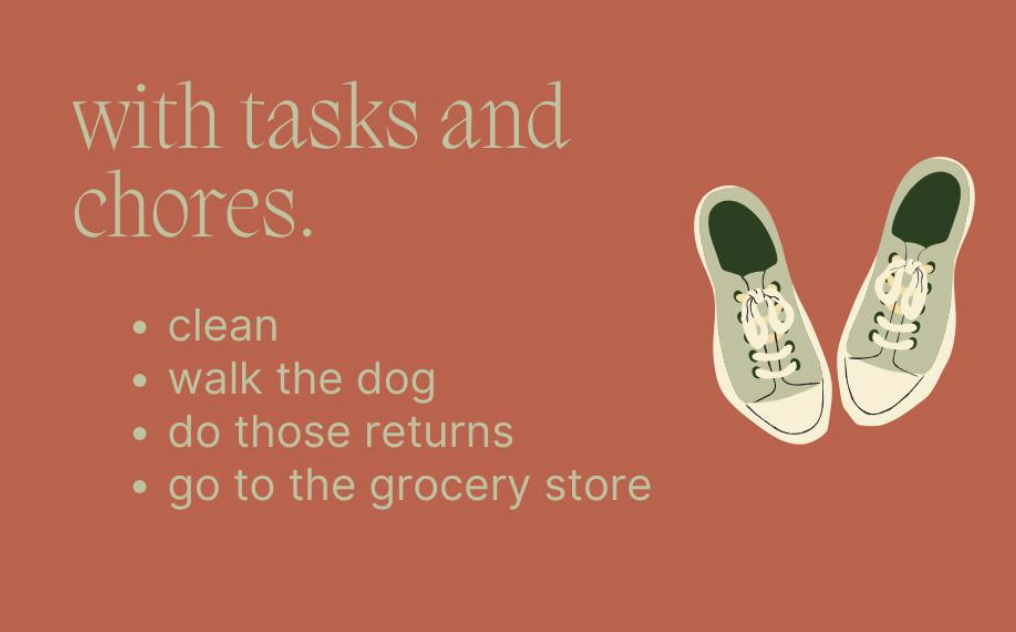
Section 2: Pick a Few You’d Try
Tick the tasks or chores you’re open to doing when you feel overwhelmed.
Other ideas:
Write your ideas below
Section 3: Create Your Plan
Use this plan when emotions feel intense and you need something practical to focus on.
What is one task from the list that feels most doable today?
What emotion or situation would this help distract you from?
Where can you keep a reminder of this activity so you remember to use it when needed?
Section 4: Real-Life Example
Mike used to react with anger when he felt rejected. One day, he felt overwhelmed after a tough conversation. Instead of lashing out, he followed his distraction plan. He walked to get a haircut. That small act helped shift his focus, calm his emotions, and respond more calmly later. His plan didn’t solve the problem-but it helped him stop making it worse.
Section 5: Final Reflection
Taking a moment to reflect can help you notice progress, reinforce healthy habits, and remind yourself why these small actions matter.
What would it mean for you to take care of your space or responsibilities as a way to take care of yourself?
What’s one step you can take this week to use chores or tasks as a coping tool?
Fewer clicks. More care.
One place for your team, your clients, and every clinical workflow, so nothing quietly slips through the cracks.
Free for practices with up to 20 clinicians.