CBT Worksheet Understanding Emotions with the Cognitive Model
This worksheet helps you apply the CBT model by identifying the thoughts, feelings, and behaviors that shape your emotions. By breaking a situation into its core parts, you can begin to see patterns - and learn how to shift them over time.
What is the CBT Model of Emotions?
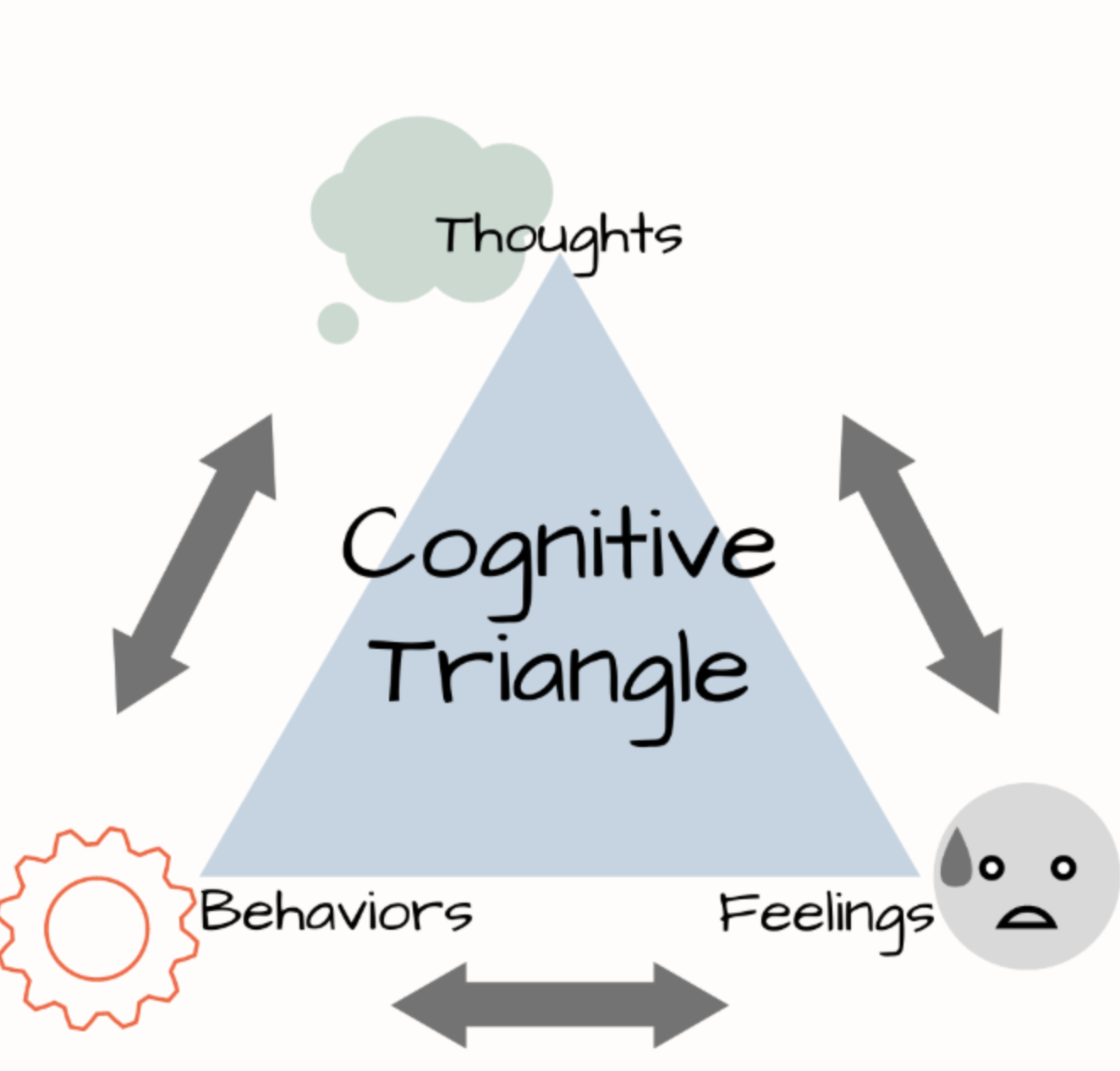
In CBT, emotions are understood through the interaction of three key components: thoughts, feelings, and behaviors. A situation occurs, we interpret it (thoughts), feel something in our body (feelings), and respond (behaviors). These three parts influence each other in a continuous cycle. Understanding this cycle helps you gain insight and interrupt unhelpful emotional patterns.
Instructions
Choose a recent situation where you experienced strong or uncomfortable emotions. Use the questions below to break it down into the CBT components. Repeat this worksheet for as many situations as you'd like.
What was the situation?
(Describe what happened. Where were you? Who was involved? What triggered the emotion?)
What thoughts went through your mind?
(What interpretations, beliefs, or assumptions popped up in response to the situation?)
What emotions did you feel?
(Describe the emotional and physical sensations - e.g., anxiety, sadness, tight chest, racing heart.)
What did you do?
(Describe your behavior - what you did or avoided doing.)
What happened next?
(Did your response make things better, worse, or the same? How did it affect your mood afterward?)
Reflection
What part of the cycle seemed most automatic or difficult to notice? What might you try to change next time - a thought, behavior, or response?
Fewer clicks. More care.
One place for your team, your clients, and every clinical workflow, so nothing quietly slips through the cracks.
Free for practices with up to 20 clinicians.