CBT and your Mood
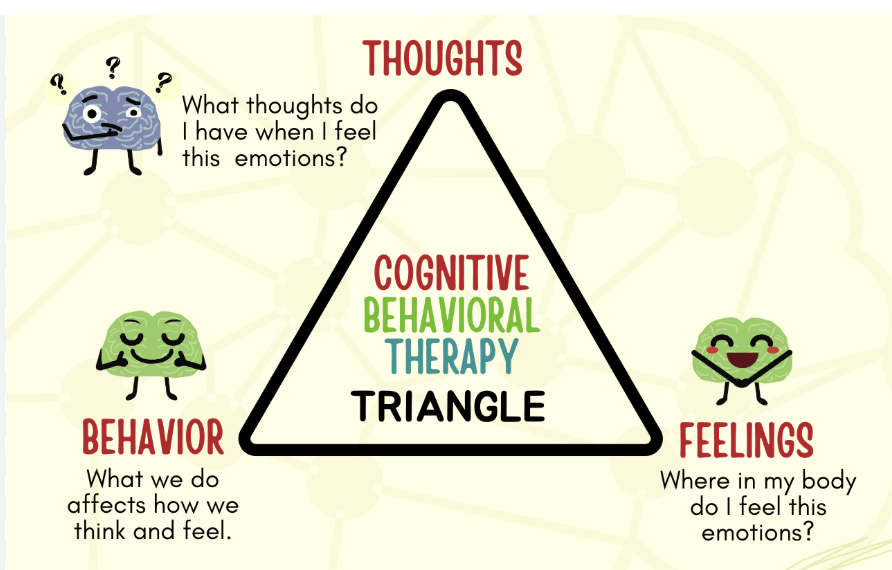
Before you can change how you feel, it’s important to build awareness of what you’re feeling. Emotions aren’t random - they’re part of a cycle that includes your thoughts, physical sensations, and behaviors. But emotions can be hard to name, especially when they’re intense, layered, or unfamiliar. This worksheet helps you monitor your mood by breaking it down into four parts: 1. What triggered the emotion; 2. What you felt (emotion words); 3. How strong the emotion was; 4. What you felt in your body
Instructions
Choose one moment today when you noticed a shift in your mood. Complete the steps below to explore what was happening, how you felt, and what your body experienced.
Step 1: What was the situation?
(Briefly describe what was happening. Focus on the facts - e.g., “Received feedback at work,” “Sat alone during lunch,” “Thought about a past event.”)
Step 2: What emotion(s) did you feel?
(Use 1-3 feeling words - e.g., sad, anxious, frustrated, calm. Refer to the emotion list if needed.)
Step 3: How strong was each emotion at its peak?
(Rate each from 1 = mild to 10 = intense.)
Step 4: What physical sensations did you notice?
(Examples: muscle tension, rapid heartbeat, nausea, shakiness, pressure in chest, tearfulness.)
Reflection
Did anything about this experience stand out to you? What might you want to pay more attention to next time?
Fewer clicks. More care.
One place for your team, your clients, and every clinical workflow, so nothing quietly slips through the cracks.
Free for practices with up to 20 clinicians.