Private practice · Aug 7, 2026 · 13 min read
Understanding and negotiating insurance fee schedules
How to read a fee schedule, benchmark your allowed amounts, and negotiate rate increases with evidence, including when and how to walk away from a bad contract.
Your fee schedule is the single most important financial document in your practice. It sets what every insured session pays, yet most clinicians never see the actual rates until the first remittance advice arrives, months after signing.
What a fee schedule actually is
A fee schedule lists the allowed amount the payer will pay for each CPT code, usually as the lesser of your billed charge or a contracted rate. For a common 90837 (60-minute psychotherapy), the allowed amount in the same metro can range widely between payers and between products from the same payer. The variation is the opportunity.
Also understand the split between payer responsibility and client responsibility. Copays and coinsurance are billed to the client; deductibles mean the client owes the allowed amount until their threshold is met. Your fee schedule tells you the total allowed, not what lands in your account.
Benchmark before you negotiate
You cannot argue for a rate you have not measured. Gather three data points: your current allowed amounts by code and payer (from remittances), the rates colleagues in your area report, and any published rate data available for your region. Even a rough comparison of 90837 and 90834 rates across your payers reveals who is underpaying you.
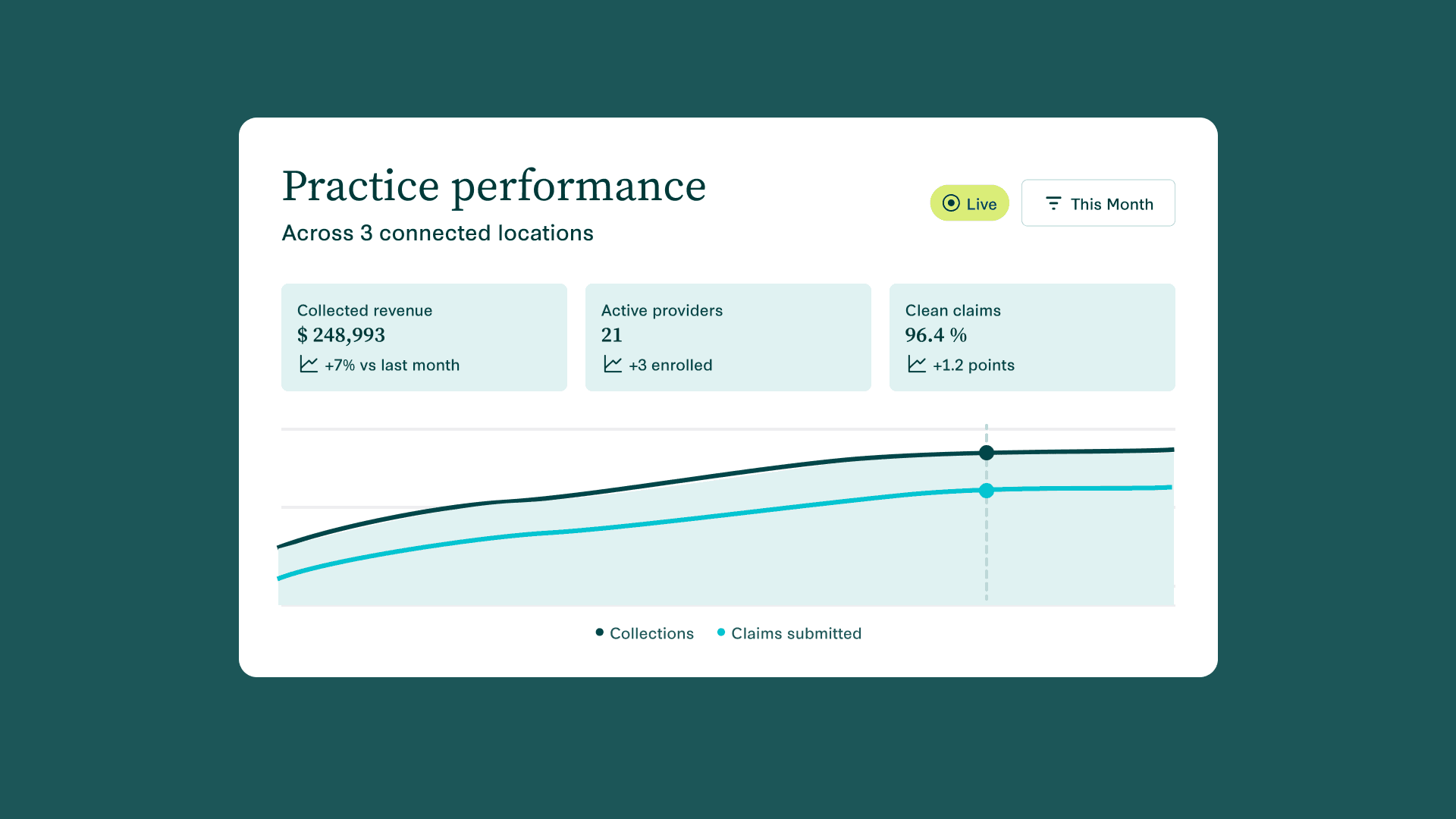
Track your denial rates and clean-claim rates per payer as well. A payer that pays promptly with low denials is worth more than a slightly higher rate that pays in 60 days after three rejections.
When you can negotiate
Most contracts allow renegotiation annually or at renewal. You also gain leverage at specific moments: when you are being recruited onto an open panel, when you can demonstrate quality outcomes or a specialty the payer needs in-network, and when a payer is consolidating products and wants to keep its panel stable.
How to make the ask
Write a one-page rate request. Lead with access and quality: your panel status, the specialties you provide that are scarce in-network, your outcomes or retention data if you track it, and your capacity to take more referrals. Then state the requested rates for your top five codes and the market evidence behind them.
Expect the first answer to be no or silence. Ask what evidence the payer needs and by when. Payer relations teams respond to clinicians who make it easy to say yes. The PrecisionMind platform generates the utilization and quality summaries that support these requests from your real data.
Know your walk-away
Not every panel deserves you. If a payer's rates sit far below market, its authorization process eats hours per client, and its denials run hot, the panel may be a net loss. Calculate the effective hourly rate per payer occasionally: allowed amount, minus denial write-offs and admin time, divided by hours consumed. The numbers sometimes surprise people.
Fee schedule work is unglamorous and among the most profitable hours a practice owner spends each year. Put two hours on the calendar annually to benchmark, and never let a renewal pass by default.