Private practice · 2026 · 7 min read
A Brief History of Terrible mental health EHRs
mental health practices have spent years stitching together outdated EHRs, disconnected tools, and manual workarounds. PrecisionMind is rebuilding the foundation with one connected system designed around how mental health care actually works.
Founder Blog
mental health practices have spent years stitching together outdated EHRs, disconnected tools, and manual workarounds. PrecisionMind is rebuilding the foundation with one connected system designed around how mental health care actually works.
July 30, 2026
4 minutes
Table of contents
Why mental health EHRs are broken, and what PrecisionMind is doing about it
If you run a mental health practice, you already know EHRs have a mental health problem. Your biller probably has logins for three different portals just to chase payment for one claim. Your front desk has to re-enter insurance information the patient already provided somewhere else in the process, because the two systems involved have never heard of each other. Meanwhile, you’re paying for the EHR, plus the scheduling tool, plus the billing add-on.
Why mental health software is like this
When healthcare moved from paper to software, the biggest business was in hospitals and physical medicine. mental health practices were smaller and reimbursement was lower, so the tech vendors built for other buyers. The vendors who did serve mental health typically modified old systems instead of building new ones, which is why so many mental health EHRs still feel like fifteen-year-old software with a modern login screen.
Those systems were originally built for two purposes: store notes, and submit claims. Today, practices need tech that handles intake, scheduling, eligibility, documentation, prescribing, measurement, authorizations, billing, supervision, and reporting to work together. Ideally, the EHR system should be able to move information between those pieces without a staff member having to input it manually. Unfortunately, the old, foundational technology can’t stretch that far no matter how many features get bolted on.
A separate tool for every task
Since the core system couldn’t do the job, mental health practices added tools around it. A scheduling app is added, then an intake form builder, not to mention a separate telehealth platform, billing service, and assessment tool. Of course, somewhere in the middle of it all is a spreadsheet that one person maintains and everyone depends on.
Each of those tools works fine on its own, but the whole system is time-consuming and unwieldy. Data stays trapped in whichever system collected it, so staff have to re-key the same information several times a week.
The daily cost of a broken EHR
When a prospective patient fills out a form and waits for an appointment, your team has to verify benefits, collect and input cards, send paperwork, and chase whatever information came back missing. When so much happens before a single appointment, a lot can go wrong- every added step is a chance for a patient who was ready for care to fall out of the process and never come back.
Once care starts, the documentation fights you too. mental health notes need to carry a longitudinal story (symptoms, functioning, risk, clinical reasoning, how treatment is working over months) but most EHR templates were designed for documentation that looks more like a knee exam. When a note doesn’t connect to the treatment plan and assessments live in a separate tool, the clinician ends up being the only piece that holds the story together. And if that clinician takes some time off? The thread is lost, too.
Billing has the same issue, because most billing problems start long before you actually send in the claim. A claim can get denied because an eligibility check never happened, or because a note sat unsigned for a week and nobody noticed until the payer asked about it. The billing team ends up reactively cleaning up problems that a connected system could (and should) have proactively caught as soon as they occurred.
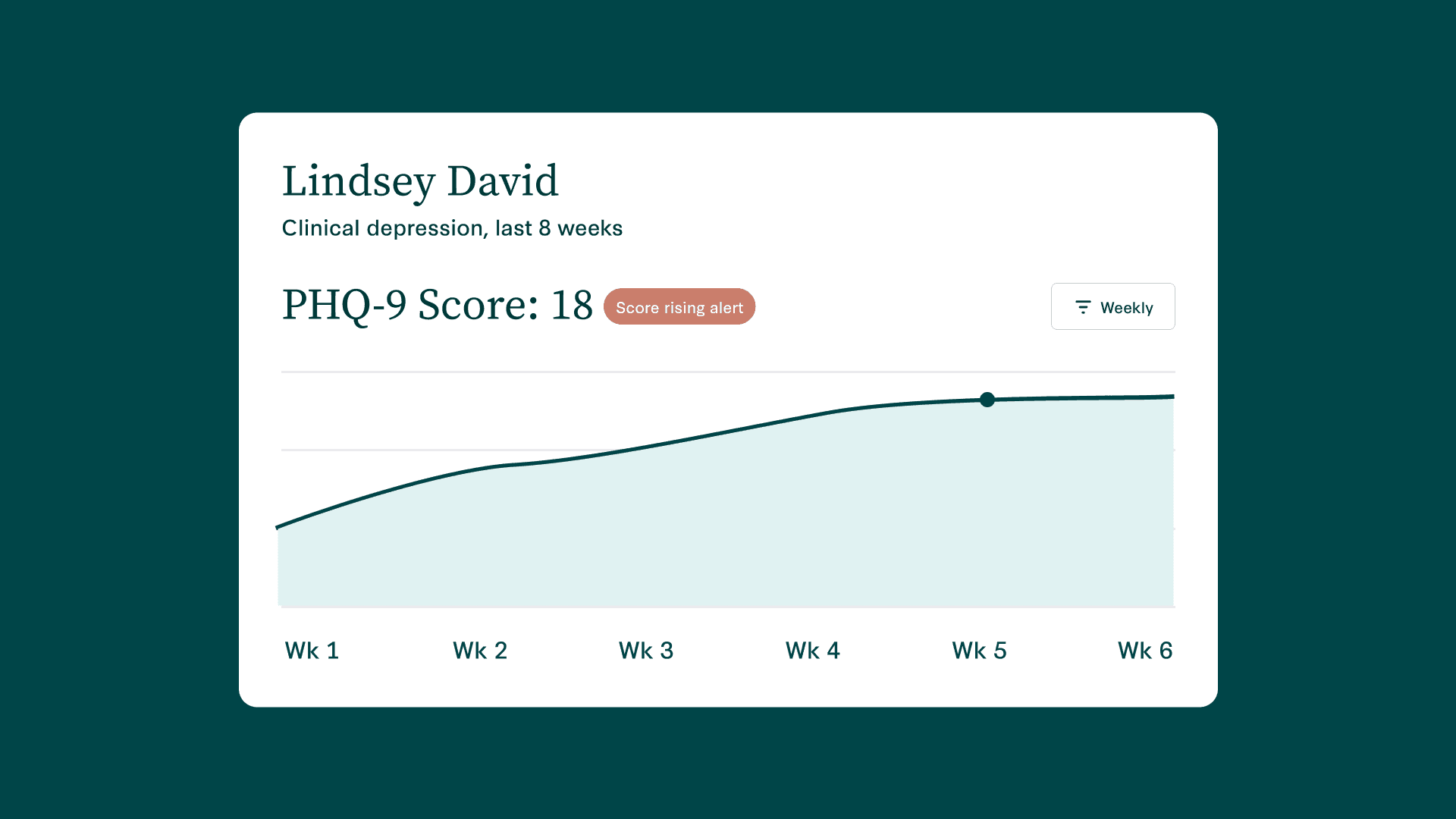
Add measurement to the list, too: most practices can send a PHQ-9, but it’s harder to get the score in front of the clinician while a decision is being made, or to connect scores over time to attendance and engagement.
Rebuilding instead of patching
Companies have been trying to retrofit EHRs into workable solutions for years, but it hasn’t worked. That’s why we knew we needed to rebuild the foundation rather than adding another layer to it. PrecisionMind is an EHR designed explicitly for mental health that handles intake, scheduling, eligibility, documentation, prescribing, measurement-based care, billing, supervision, and reporting in a single system.
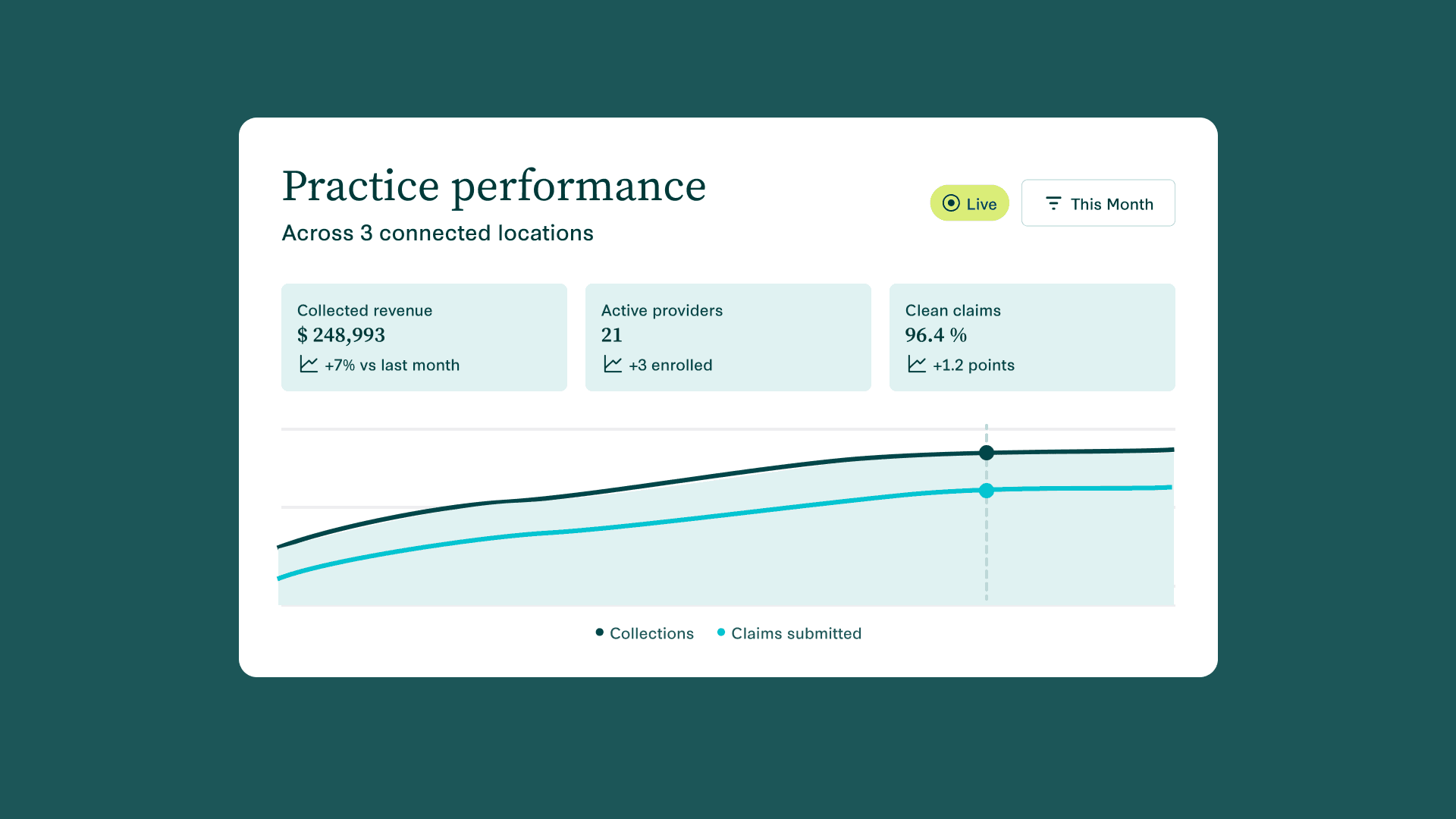
The chart is ready before the first visit. Eligibility information reaches billing without anyone re-typing it, a signed note produces a claim that’s ready to be sent, and a changed assessment score shows up where the clinician will see it. When a patient misses a visit, the system flags it for follow-up instead of leaving that to whoever happens to remember.
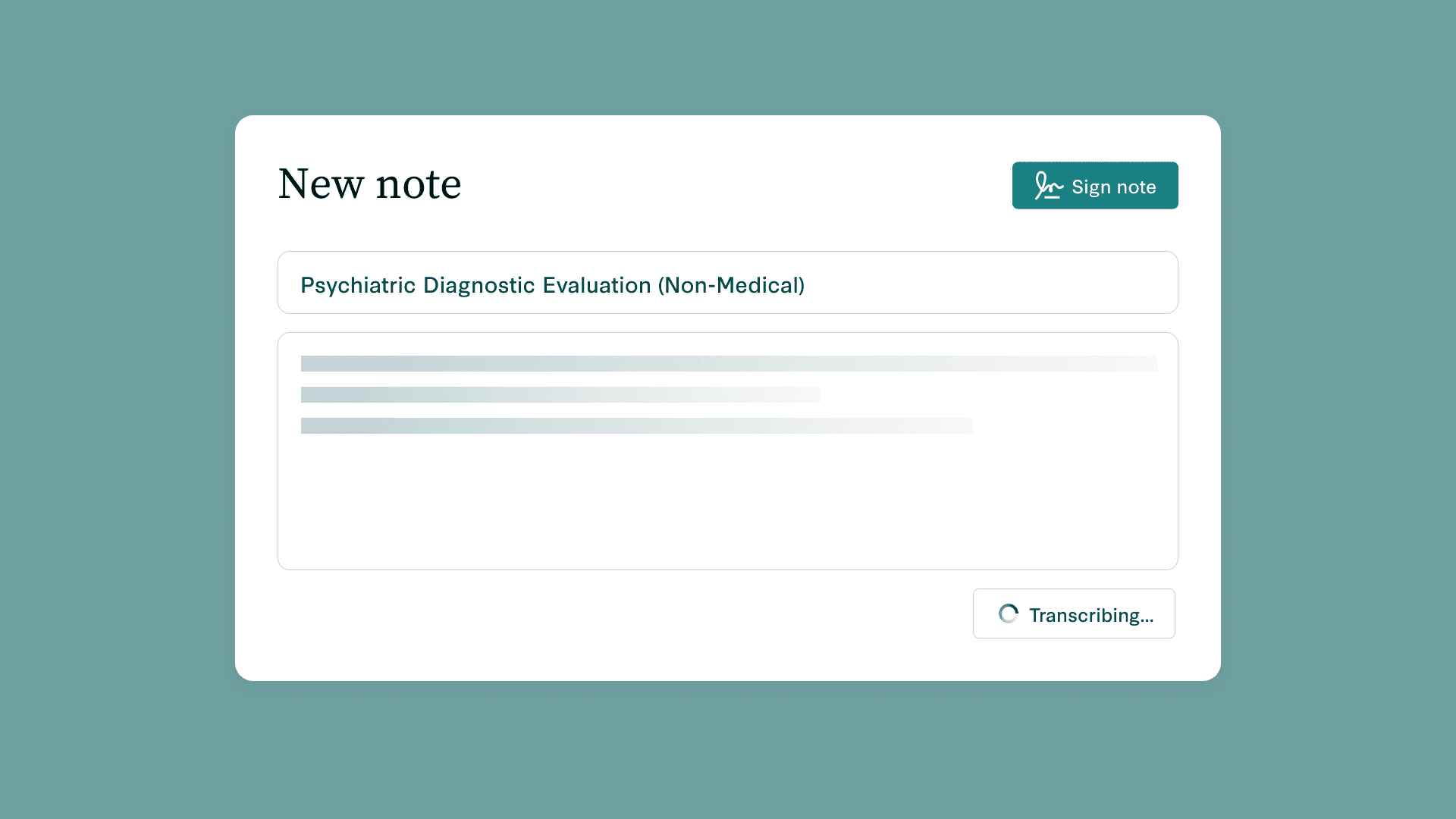
Clinicians can use AI if they choose- that tool is available for drafting, structuring notes, and for scrubbing claims before submission. Clinical judgment, of course, stays with the clinician.
Free for qualifying small practices
Small practices already pay for an EHR, a billing tool, an intake tool, several add-ons, and the staff hours it takes to keep all of it stitched together. Our business model doesn’t depend on collecting another monthly software fee from every practice, so for qualifying small practices, PrecisionMind is free.
The EHR is only the beginning
Independent practices are up against a system designed for large organizations. Payers build their contracts around health systems that can show care coordination, quality reporting, and outcomes data, and an independent practice rarely has any of that infrastructure behind it, however good the care.
PrecisionMind is a connected EHR for mental health practices, free for qualifying small practices. Request a demo.
More from the blog
Keep reading — there's more worth your time
More ideas on workflows, alignment, strategy, and what it actually takes to build teams that stay focused and move forward together.
Oct 27, 2025
6 min read
How PrecisionMind Is Free (and Why You’re Not the Product)
PrecisionMind is free, and you’re skeptical. So when we say it’s truly free, with no usage limits, we know the next question inevitably is — what’s the catch?
Read more
Private Practice
Oct 8, 2025
18 min read
A Therapist's Guide to Getting Credentialed with Insurance
Learn how to get credentialed with insurance payers for your mental health practice. This guide covers NPIs, EINs, CAQH profiles, common payers, application steps, and tips to avoid pitfalls, helping therapists expand their client base and streamline billing.
Sep 30, 2025
5 min read
From the Founder: Why PrecisionMind Is Free (and Always Will Be)
We want to enable mental health providers to run their own practices. Here's more context on why PrecisionMind is free.