Private practice · Aug 2, 2025 · 10 min read
Mental health treatment plan template, with examples
A practical structure for goals, objectives, and interventions that satisfies payers while staying genuinely useful in the room.
A good treatment plan is a clinical tool first and a compliance artifact second. Write it so a covering clinician could pick it up cold.
Pair each goal with measurable objectives, the interventions you will use, and a review date.
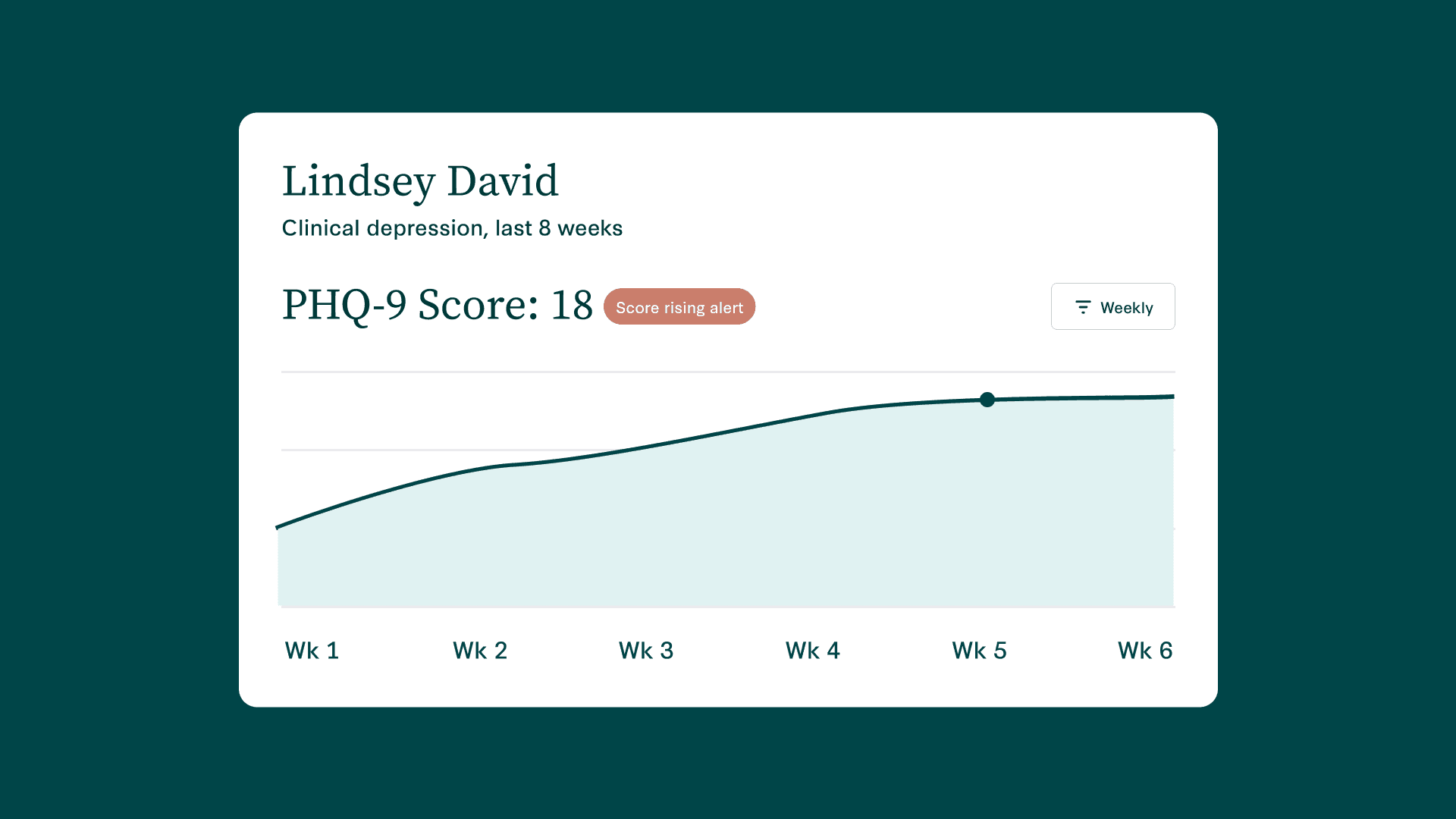
Tie progress to a validated measure where one exists, so improvement is documented rather than asserted.
A structure that stays useful
Problem statement, short-term objectives, long-term goal, interventions, target dates, and progress notes tied to measures. In PrecisionMind, the plan lives in the chart beside every note, so progress reviews take minutes instead of an evening with a spreadsheet.