Private practice · Jun 12, 2026 · 10 min read
CPT codes for mental health billing, explained
The codes that cover most mental health practices, when to use each, the documentation each requires, and the coding mistakes that invite denials.
Billing accuracy is a documentation skill. Most denials in mental health practices trace to a handful of coding patterns, and learning them pays for itself quickly.
The core psychotherapy codes
90832 (16 to 37 minutes), 90834 (38 to 52 minutes), and 90837 (53 minutes and up) are time-based psychotherapy codes. The documented time must support the code: 90837 requires at least 53 minutes of face-to-face work. Note start and stop times in your documentation when the payer requires it, and remember that time-based billing rules apply.
Add-on code 90833 (psychotherapy 30 minutes with an evaluation and management service) applies when a prescriber provides both medication management and psychotherapy in the same visit. 90846 and 90847 cover family sessions without and with the client present. 90853 covers group therapy, and 90839 plus 90840 handle crisis sessions by time.
Evaluation codes and intake
90791 is the psychiatric diagnostic evaluation, the standard intake code, and it may not be billed on the same day as a psychotherapy code. 90792 adds medical services to the intake and is typically used by prescribers. Payers frequently limit the number of 90791s per client per year, so an intake redo after a no-show needs care.
The patterns that invite denials
Same-day billing of 90791 with psychotherapy. Time documented below the threshold for the code billed. Missing place-of-service or modifier details on telehealth claims. Billing 90837 for a 50-minute session because it pays more. Each is small, and each is the kind of pattern that payer audits flag.
Make the system do the checking
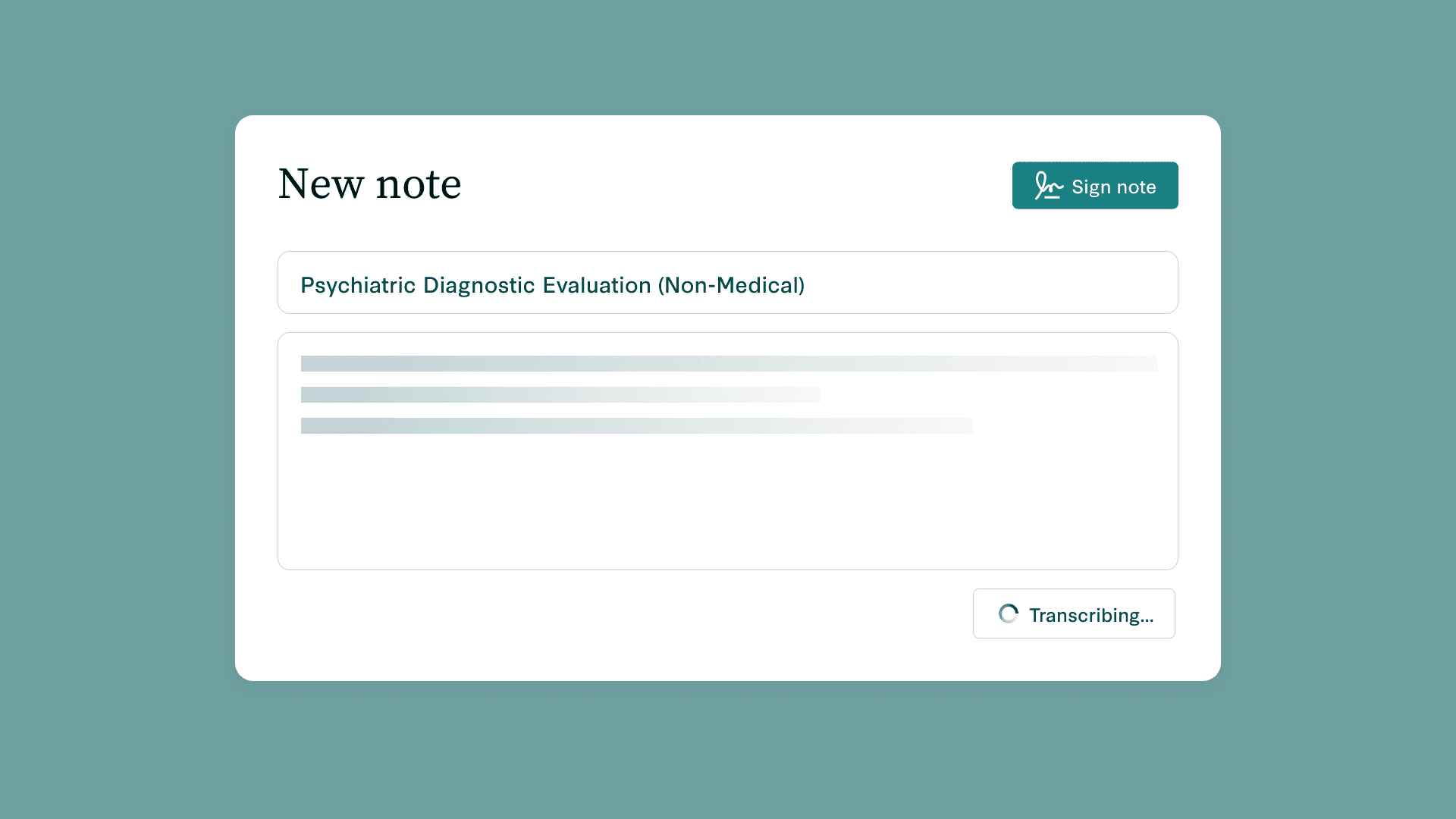
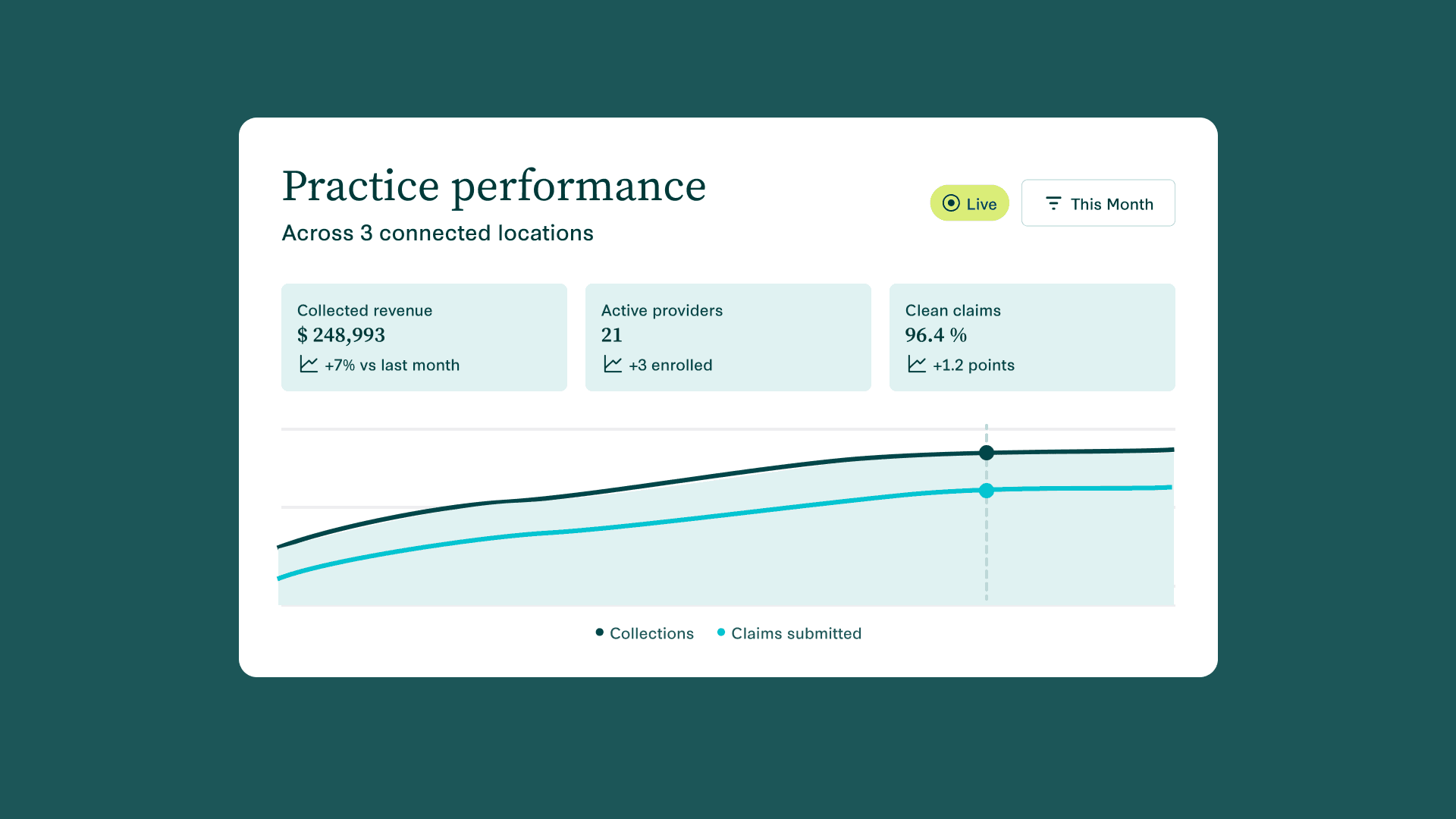
The PrecisionMind revenue engine validates code and time consistency at the note level, applies telehealth modifiers by payer rule, and shows you every claim's status in real time. Coding stays a clinical decision; the compliance checking becomes automatic. That is how it should be.