Is it Time to Talk a Self Reflection Guide on ADHD
This self-reflection worksheet is designed to help you explore patterns in attention, organization, and impulsivity that may be affecting your daily life. Through educational content, personal reflection prompts, and symptom checklists, this tool aims to provide clarity on whether seeking a professional evaluation for ADHD might be beneficial for you. What This Worksheet Offers: Psychoeducation: Understand the fundamentals of ADHD, including common symptoms and how they manifest in daily life. Self-Reflection Prompts: Engage with questions that encourage you to consider your experiences and challenges related to attention and focus. Symptom Checklists: Identify specific behaviors and patterns that align with ADHD symptoms. Rating Scales: Assess the frequency and impact of certain behaviors to gain insight into your experiences. Important Note: This worksheet is not a diagnostic tool. Its purpose is to support self-awareness and help you decide if consulting a healthcare professional for a comprehensive assessment is appropriate.
Understanding ADHD
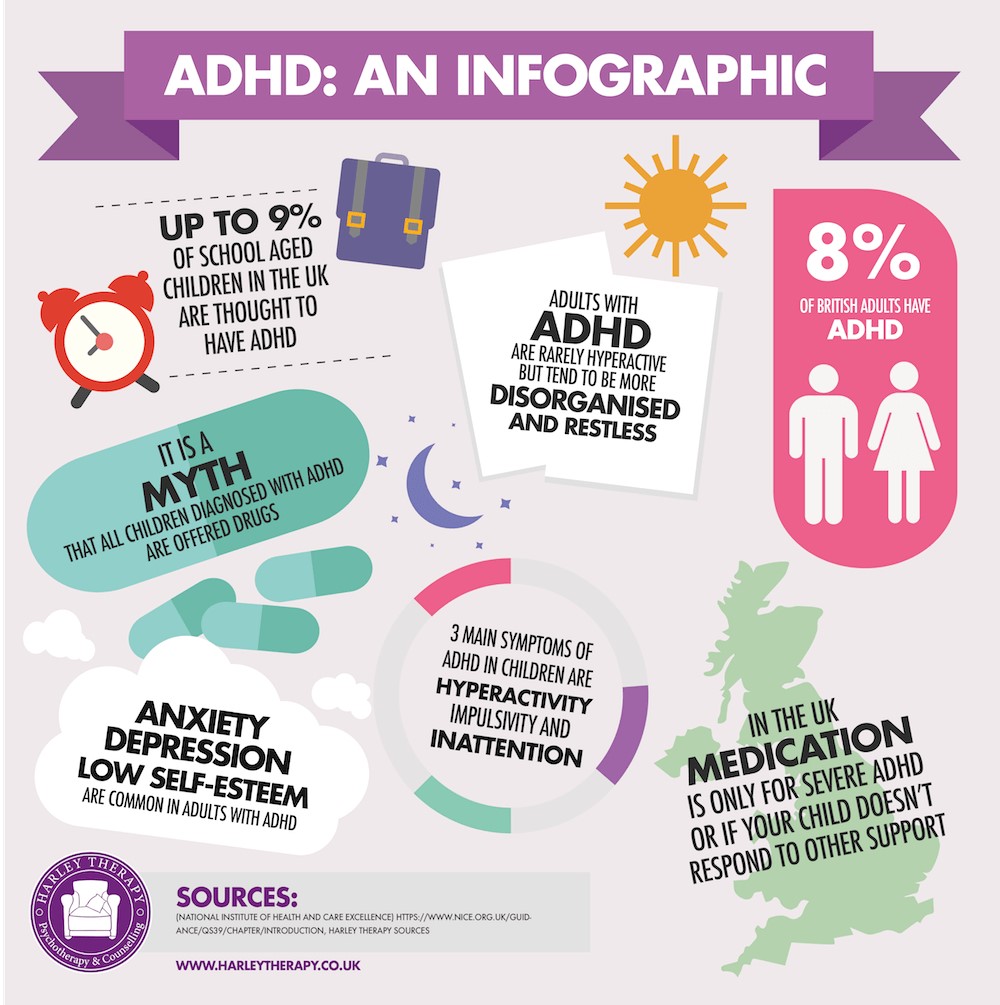
ADHD is a neurodevelopmental disorder characterized by patterns of inattention, hyperactivity, and impulsivity that interfere with functioning or development. Common Symptoms: Inattention: Difficulty sustaining attention, disorganization, forgetfulness. Hyperactivity: Excessive fidgeting, inability to stay seated, feeling restless. Impulsivity: Interrupting others, difficulty waiting turns, making hasty decisions. nschc.com Impact Areas: Work, education, relationships, self-esteem, and daily responsibilities.
Self-Reflection
Do you often find it challenging to focus on tasks, even those you find interesting?
Have you noticed patterns of procrastination that impact your daily life?
Describe situations where you felt overwhelmed by routine tasks. What factors contributed to this feeling?
Reflect on your organizational habits. How do they affect your productivity and stress levels?
Symptom Checklist
Place a checkmark next to the statements that apply to you.
Rate how often you experience the following behaviors:
I struggle to stay focused during meetings.
I act without thinking about the consequences.
I feel the need to move constantly.
Final Thoughts: Preparing for Your Professional Consultation
Thank you for taking the time to engage in this self-reflection. Recognizing patterns in your attention, organization, and impulsivity is a significant step toward understanding yourself better. If these reflections resonate with your daily experiences, consider sharing your insights with a qualified mental health professional. Bringing this completed worksheet to your appointment can serve as a valuable starting point for discussion. Remember, seeking help is a proactive step toward well-being. A professional can provide clarity, support, and, if necessary, a comprehensive assessment to guide you forward.
Fewer clicks. More care.
One place for your team, your clients, and every clinical workflow, so nothing quietly slips through the cracks.
Free for practices with up to 20 clinicians.